
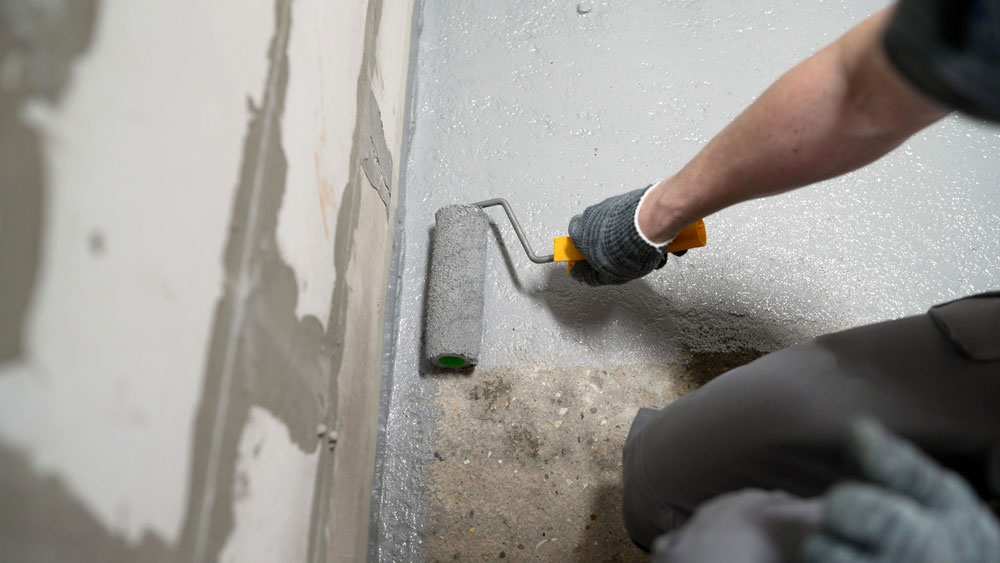
When moisture first appears in a basement, homeowners often face a difficult financial crossroads regarding how to address the issue. Choosing between a localized patch and a comprehensive waterproofing system requires balancing immediate budget constraints against the long-term structural health of the property.
Ignoring a small leak can lead to exponential repair costs if the underlying hydrostatic pressure is not properly managed. Understanding the price gap between these two approaches allows you to make an informed investment that protects both your basement and your bank account.
The Immediate Affordability of Minor Leak Repair
Minor repairs typically involve addressing visible cracks or localized seepage points using epoxy injections or specialized hydraulic cement. This approach is significantly less expensive upfront because it targets the symptom of water intrusion rather than the entire foundation environment.
- Localized crack injections are ideal for non-structural fractures that are not under extreme pressure.
- The labor involved is minimal, often requiring only a few hours of work without the need for heavy machinery.
- Surface sealants provide a temporary barrier that is cost-effective for homeowners on a strict budget.
While these fixes are affordable, they do not prevent water from finding a new path through a different part of the foundation later.
The Comprehensive Investment of Full Waterproofing
Full waterproofing involves a multi-layered defense strategy that often includes interior drainage channels, sump pump installations, and exterior membranes. While the initial price tag is higher, this method addresses the root cause of the problem by diverting water away from the home entirely.
- Interior perimeter drains collect water before it can ever reach the basement floor.
- High-capacity sump pumps act as the mechanical heart of the system, pumping water safely out of the house.
- Wall vapor barriers ensure that even if moisture seeps through the masonry, it is directed into the drainage track.
This systemic approach eliminates the “whack-a-mole” cycle of chasing individual leaks as they appear year after year.
Evaluating Long-Term ROI and Home Value
A professionally waterproofed basement provides a significant boost to a home’s resale value, often returning a large portion of the investment at the time of sale. Conversely, a basement with a history of “patchwork” repairs can be a red flag for home inspectors and potential buyers, potentially lowering the final sale price.
- Certified waterproofing systems often come with transferable warranties that provide peace of mind to new owners.
- A dry basement increases the usable square footage of the home, allowing for finished living spaces.
- Preventing mold growth through full waterproofing avoids the astronomical costs of future remediation.
The return on investment for a dry foundation extends far beyond the physical materials, as it preserves the overall marketability of the asset.
Risk Assessment and Secondary Damage Costs
The true cost difference must also account for the potential damage to finished walls, flooring, and personal belongings if a minor repair fails. A single major flood event can easily exceed the cost of a full waterproofing system in lost furniture and emergency cleanup fees.
- Factor in the cost of replacing saturated drywall and baseboards if a small leak becomes a flood.
- Consider the health risks and costs associated with respiratory issues caused by hidden basement dampness.
- Account for the potential of electrical damage if water reaches outlets or appliances in a finished basement.
Choosing the comprehensive route acts as an insurance policy against the unpredictable nature of severe weather and rising water tables.
When to Choose a Targeted Repair Over a Full System
There are specific scenarios where a minor repair is the most logical and cost-effective choice for a homeowner. If the foundation is relatively new and the leak is the result of a single, identifiable impact or settling crack, a localized fix may be all that is necessary.
- Perform a “hose test” to see if the leak is caused by a simple gutter or grading issue first.
- Assess the age of the foundation; older brick-and-mortar homes almost always require a full system.
- Check if the moisture is localized to one specific area that does not show signs of widespread hydrostatic pressure.
Starting with the least invasive option is wise, provided the repair is monitored closely during the next heavy rain cycle.
Secure Your Home’s Financial and Structural Future
Deciding between a minor fix and a full waterproofing system is ultimately a choice between short-term savings and long-term security. While the initial cost of a comprehensive system is higher, it provides a permanent resolution that shields your home from the destructive power of water.
By investing in a complete solution, you eliminate the recurring stress and expense of temporary repairs. Your home is your most significant asset, and a dry foundation is the most reliable way to ensure it remains a safe and valuable space for decades to come.