
Flash floods represent one of the most immediate and destructive threats to a residential foundation, often dumping inches of rain in a matter of minutes. Without a robust exterior defense system, this sudden volume of water can exert thousands of pounds of pressure against your basement walls.
Exterior waterproofing acts as a subterranean shield, intercepting rising groundwater before it ever touches your home’s structural masonry. By creating an impermeable barrier between the earth and your living space, you ensure that even the most violent storms do not result in a flooded interior.
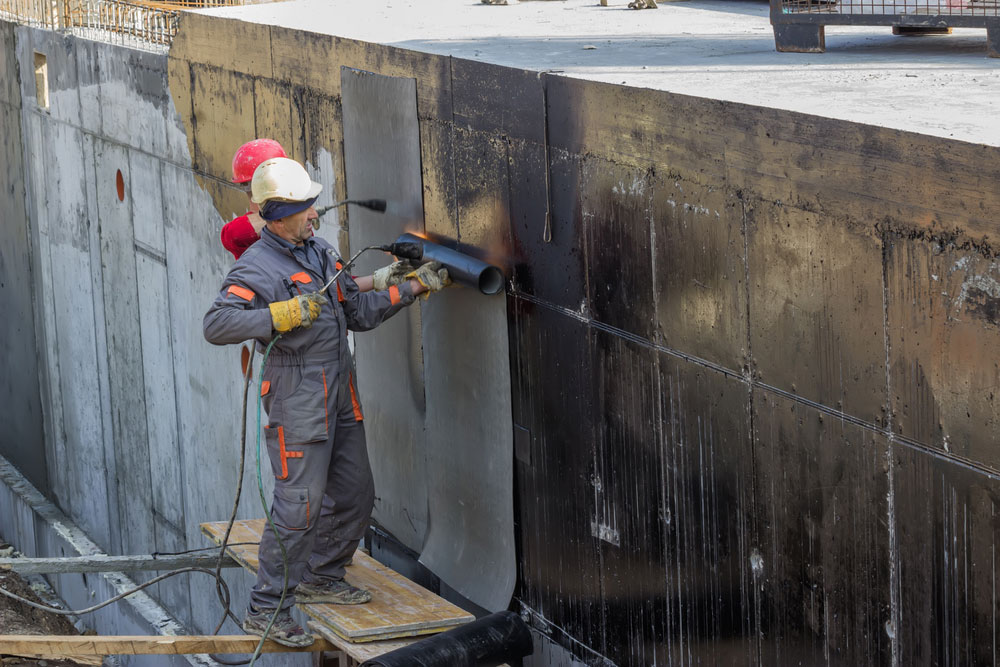
Utilize Multi-Layered Waterproof Membranes
The core of any exterior waterproofing strategy is a thick, rubberized membrane applied directly to the outer surface of the foundation walls. During a flash flood, this flexible coating remains watertight even as the surrounding soil becomes completely saturated and heavy.
- Opt for polymer-modified asphalt membranes that can bridge small settlement cracks without tearing.
- Ensure the membrane extends from the top of the grade all the way down to the structural footing.
- Inspect for a seamless application that eliminates any “seams” where pressurized water could find an entry point.
This primary barrier ensures that the porous nature of concrete or brick does not allow moisture to seep through during a rapid rise in the water table.
Install High-Capacity Exterior Drainage Boards
In a flash flood, the sheer weight of the water in the soil creates intense hydrostatic pressure that can crack foundation walls. Drainage boards, or dimple mats, are installed over the membrane to create an intentional air gap that allows water to fall straight down to the drainage system.
- Use high-compression boards that won’t collapse under the weight of wet, heavy clay or soil.
- Verify that the board’s “dimples” face the wall to create a clear vertical path for water to travel.
- Check that the top of the drainage board is properly flashed to prevent debris from clogging the gap.
Redirecting the water’s energy downward significantly reduces the lateral pressure that often causes basement walls to bow or buckle during a storm.
Implement a Perimeter French Drain System
At the base of your foundation, a perforated drainage pipe—often called a French drain—is the final collection point for the water diverted by the drainage boards. During a flash flood, this pipe must be capable of moving high volumes of water away from the house as quickly as possible.
- Surround the drainage pipe with several inches of clean, washed gravel to act as a natural filter.
- Wrap the entire pipe and gravel bed in a heavy-duty filter fabric to prevent silt from clogging the system.
- Ensure the pipe is pitched correctly toward a gravity outlet or a high-capacity sump pump basin.
A well-maintained perimeter drain acts as the “exit ramp” for the floodwater, keeping the base of your home dry and stable.
Reinforce Window Wells and Basement Entrances
Flash floods often cause water to pool rapidly in low-lying areas, such as window wells and stairwells, which can lead to glass breakage or door failure. Specialized exterior waterproofing includes dedicated drains for these areas that connect directly to your main perimeter system.
- Clear out any leaves or sediment from window well drains before the storm season begins.
- Install heavy-duty, clear covers that deflect rain while still allowing natural light into the basement.
- Seal the edges where window frames meet the foundation with high-performance exterior caulking.
Securing these localized “buckets” ensures that a sudden surge of surface water doesn’t find an easy way into your home through a window.
Manage Soil Grading and Surface Runoff
While subterranean barriers are essential, the way the land slopes around your home determines how much water your waterproofing system has to handle. Proper grading ensures that the majority of a flash flood’s volume is pushed away from the foundation before it can soak into the ground.
- Maintain a consistent “positive grade” where the soil drops at least six inches over the first ten feet from the wall.
- Use downspout extensions to discharge roof water at least ten to fifteen feet away from the home’s perimeter.
- Avoid using moisture-retaining mulch directly against the foundation, as it can keep the soil damp for days.
Directing surface water away from the house reduces the “load” on your buried waterproofing components, extending their overall lifespan.
Defend Your Home Against Unpredictable Weather
Investing in a comprehensive exterior waterproofing system is the most effective way to neutralize the threat of sudden and intense flooding. By stopping water at the source, you effectively preserve the structural integrity and market value of your property for decades.
The peace of mind that comes with a dry, secure basement allows you to face even the most severe storm warnings with total confidence. Your home is a sanctuary, and a professionally waterproofed exterior is the best insurance policy you can have against the destructive power of nature.