
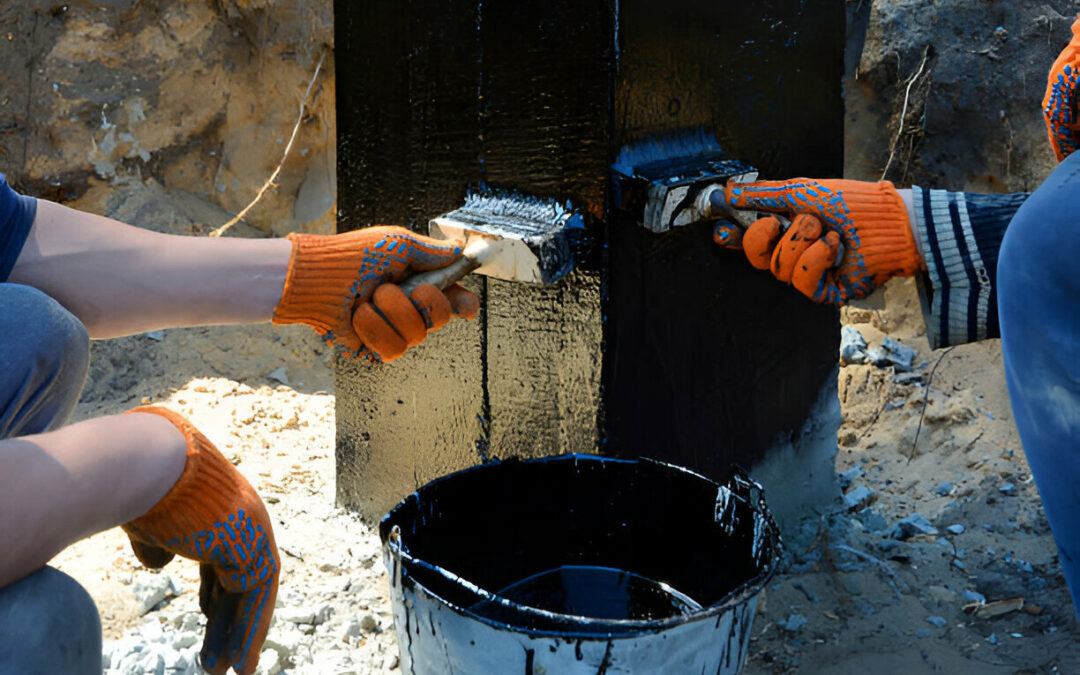
Building a new home is a massive investment that requires a focus on long-term structural integrity from the ground up. While the architectural design and interior finishes are often the primary focus, the invisible barrier between your foundation and the earth is what truly secures your property’s future.
Installing a comprehensive waterproofing system during the initial construction phase is the only time you have unrestricted access to the exterior of the foundation walls. Taking this proactive step ensures that your basement remains a dry, usable space and prevents the need for invasive and expensive repairs down the road.
Capitalize on Total Foundation Accessibility
During new construction, the excavation around the foundation remains open, providing a unique window to apply protective coatings from the footer to the grade line. Once the soil is backfilled, reaching these exterior surfaces becomes significantly more expensive and labor-intensive, requiring the removal of landscaping, decks, and walkways.
- Apply seamless, spray-on rubberized membranes while the concrete is clean and unobstructed.
- Inspect the entire exterior surface for honeycombing or tie-rod holes that need to be patched before sealing.
- Ensure the waterproofing layer bonds directly to the footing to create a continuous, watertight envelope.
Sealing the home from the outside in at this stage provides the highest level of protection against the relentless pressure of groundwater.
Mitigate Hydrostatic Pressure and Soil Saturation
As soon as a foundation is buried, it becomes subject to hydrostatic pressure, which is the weight of water in the soil pushing against the walls. A new construction waterproofing system includes specialized drainage boards that act as a pressure relief valve, directing water away from the masonry.
- Install dimpled drainage mats that create an intentional air gap between the soil and the wall.
- Use high-compression boards that can withstand the weight of heavy backfill without flattening.
- Protect the primary waterproof membrane from being punctured by rocks or debris during the filling process.
Managing the energy of the water before it touches the concrete is the most effective way to prevent structural bowing and interior leaks.
Install a Virgin Perimeter Drainage System
A new build allows for the installation of a pristine French drain system at the base of the footer, which is the “exit ramp” for all subterranean water. Because the area is free of old root systems or collapsed clay pipes, this system can be engineered for maximum capacity and long-term reliability.
- Lay perforated PVC piping in a bed of clean, washed gravel to ensure a fast flow rate.
- Wrap the entire drainage assembly in a heavy-duty filter fabric to prevent silt from clogging the pipes.
- Connect the perimeter drain to a high-capacity sump pump basin with a dedicated discharge line.
A properly installed exterior drain ensures that the water table around your new home remains well below the level of your basement floor.
Prevent Capillary Action and Vapor Intrusion
Concrete is naturally porous and can act like a hard sponge, pulling moisture up from the damp earth through microscopic capillaries. Waterproofing during new construction includes the installation of a heavy-duty vapor barrier beneath the basement slab to block this moisture from rising into your living space.
- Use a high-mil-thickness polyethylene vapor barrier that resists punctures during the concrete pour.
- Overlap all seams by several inches and seal them with moisture-resistant construction tape.
- Terminate the vapor barrier at the interior footer to create a completely sealed floor environment.
Blocking moisture at the molecular level prevents the “musty basement smell” and protects your future flooring from warping or mold growth.
Ensure Compliance with Modern Building Codes
Modern building standards have evolved to recognize that dampproofing—a thin layer of tar—is often insufficient for long-term moisture control. Choosing a full waterproofing specification during construction ensures your home meets or exceeds local codes, which can be a major selling point during a future resale.
- Verify that the selected materials are rated for the specific soil conditions and water table height of your lot.
- Document the installation process with photos to provide proof of quality to home inspectors and buyers.
- Utilize specialized sealants around utility penetrations like sewer and water lines to prevent localized leaks.
Investing in high-quality materials from day one provides the ultimate peace of mind and reinforces the overall value of your residential asset.
Secure the Structural Legacy of Your Home
Prioritizing foundation waterproofing during the new construction phase is a strategic decision that pays dividends in both safety and property value. By neutralizing the threats of water and soil pressure before you even move in, you effectively “future-proof” your home against the elements.
The result is a dry, healthy environment that allows you to utilize every square foot of your property with total confidence. Your new home is a sanctuary, and a professionally waterproofed foundation is the most reliable way to ensure it stands strong for generations to come.