
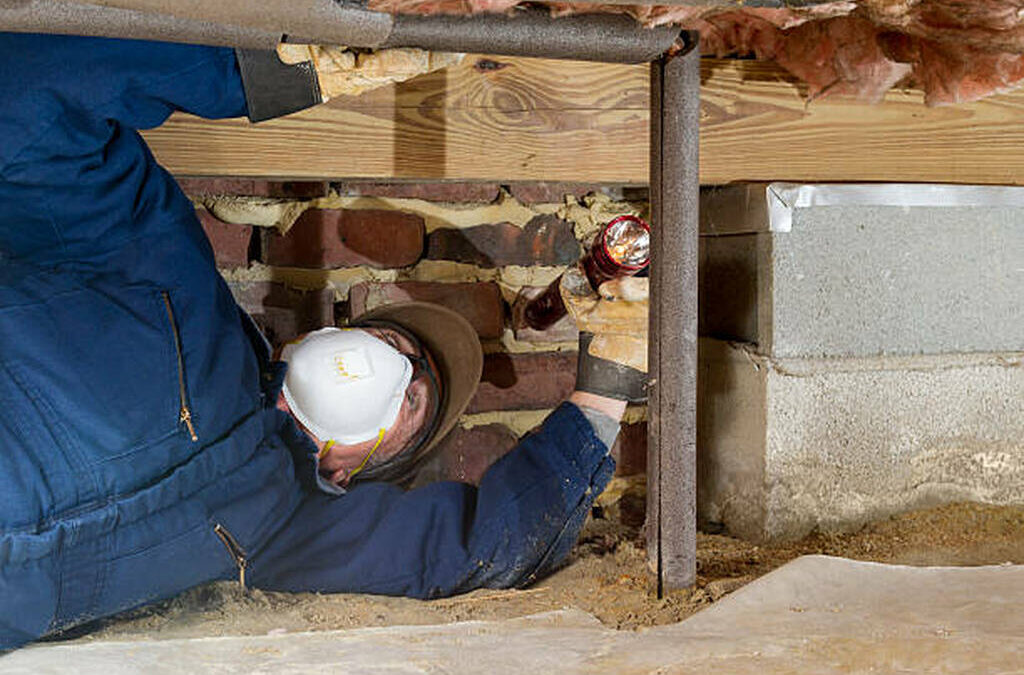
Spring marks a critical transition for your home’s structural health as the ground thaws and seasonal rain patterns begin to intensify. This period of high moisture provides the clearest evidence of how well your foundation is standing up to the external environment.
Scheduling a professional waterproofing inspection during this window allows you to identify vulnerabilities before they escalate into an emergency. Taking action now ensures that your basement remains a dry, secure space throughout the most volatile weather months of the year.
Assess Damage Caused by the Winter Freeze
The freezing and thawing of the soil during the winter months can exert immense pressure on concrete and masonry foundation walls. As the ground warms, previously hidden hairline fractures may expand, providing a direct path for groundwater to enter your home.
- Look for new “stair-step” cracks in brickwork or horizontal fissures in concrete blocks.
- Inspect the exterior parching or sealant layers for signs of flaking or “alligatoring.”
- Check if the basement floor has developed any new heaving or vertical offsets.
Identifying these structural shifts early prevents the “wedge effect” of water from widening the gaps during the next heavy downpour.
Monitor the Impact of Heavy Snowmelt
A significant amount of water is released into the soil in a very short time as the winter snowpack disappears. This saturation creates high hydrostatic pressure that tests the integrity of your perimeter drains and exterior waterproof membranes.
- Observe if water is pooling against the foundation as the snow banks melt away from the house.
- Check your sump pump frequency to ensure the mechanical system is keeping up with the rising water table.
- Identify “damp spots” on the interior basement walls that only appear during the thawing process.
Early spring melt acts as a natural stress test, revealing exactly where your current drainage system might be struggling.
Prepare for Intense Spring Rainstorms
Spring is famous for sudden, high-volume rain events that can quickly overwhelm a neglected or clogged gutter system. An inspection ensures that your primary defenses, from the roofline to the discharge pipes, are ready to handle thousands of gallons of runoff.
- Verify that downspout extensions are securely attached and directing water at least ten feet away.
- Clear out any organic debris or silt that accumulated in the gutters over the winter.
- Ensure that window well drains are not blocked by dead leaves or winter trash.
Maintaining a clear path for surface water is the most effective way to reduce the workload on your subterranean waterproofing components.
Evaluate Soil Grading and Perimeter Saturation
As the frost leaves the ground, the soil around your foundation often settles or shifts, potentially creating “negative grading” that slopes toward your home. A springtime inspection allows you to identify these low spots and fill them before they become collection basins for rainwater.
- Look for “sinkholes” or depressions in the mulch or dirt directly next to the foundation.
- Check if the patio or walkway has tilted back toward the house during the winter.
- Ensure that the soil is firmly compacted and sloped at a downward angle for the first six feet.
Correcting the grade of your landscape is a low-cost way to prevent massive amounts of water from reaching your foundation walls.
Check the Health of Your Sump Pump System
Your sump pump is the heart of your interior waterproofing defense, and it often works its hardest during the wet spring months. A professional inspection verifies that the float switch, check valve, and backup power supply are all functioning perfectly before the peak of the storm season.
- Test the backup battery to ensure it can power the pump during a spring power outage.
- Clean the sump pit of any silt or gravel that could jam the impeller.
- Listen for unusual grinding or humming noises that indicate the motor is reaching the end of its life.
A reliable pump provides the ultimate peace of mind when you are away from home during a heavy seasonal squall.
Safeguard Your Home’s Structural Future
Investing in a spring waterproofing inspection is a proactive choice that protects the long-term market value of your property. By identifying and neutralizing moisture threats today, you eliminate the risk of mold growth and structural decay before they can take root.
The clarity provided by a springtime checkup allows you to face the rest of the year with total confidence in your home’s stability. Your foundation is the most critical part of your house, and a seasonal maintenance routine is the best way to ensure it stands strong for decades.